

A pair of Minnesota nonprofits feel they have cracked the code for building affordable homes with the bells and whistles to keep energy use lower and the air inside cleaner.
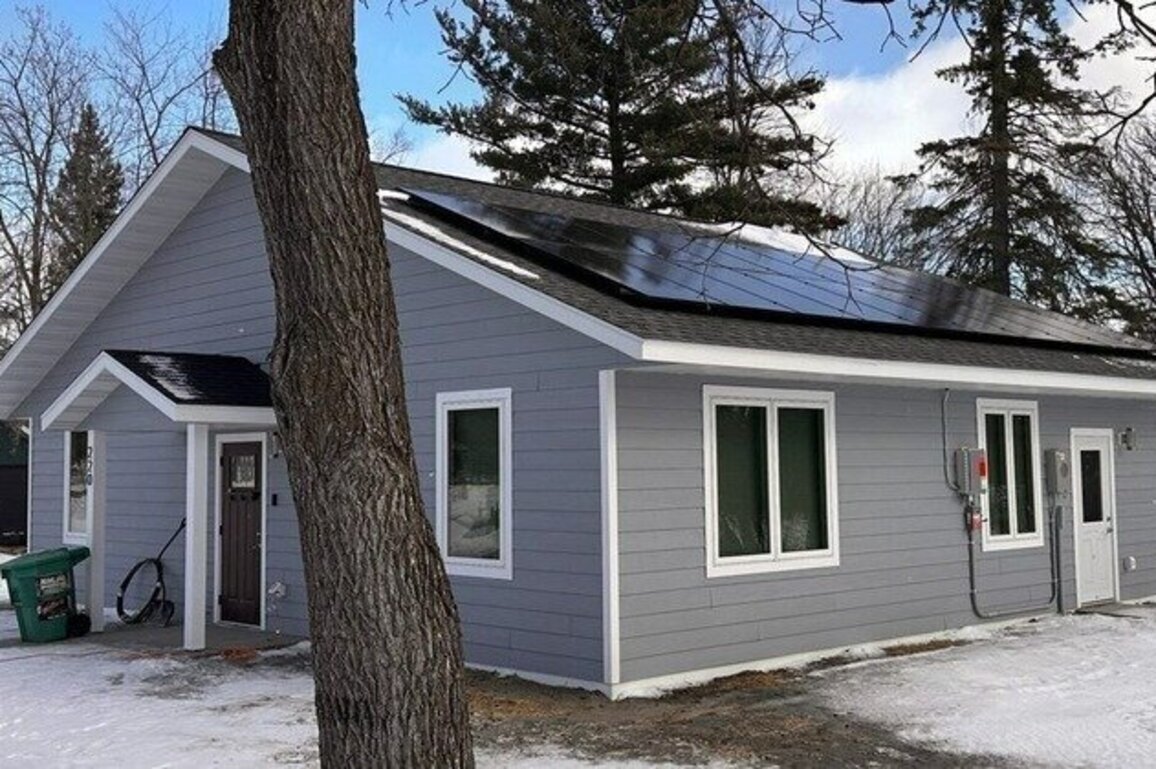
This past winter, a family with limited means moved into a newly built home in Cohasset featuring thicker walls and a smaller all‑electric HVAC system.
Sam Friesen, managing director of buildings for the advocacy group Fresh Energy, presented the idea to regional builders and eventually collaborated on a pilot project with Itasca County Habitat for Humanity. Friesen said the emerging model could result in a turning point for the housing industry.
"Traditionally, these homes came at a cost premium," Friesen pointed out. "This unique opportunity, it provides a space and an affordable home that families can occupy that has positive health outcomes and that they can prosper in."
He noted energy bills are more manageable, while harmful pollutants, like wildfire smoke, are kept at bay. Thicker walls require extra insulation, and mechanical systems featuring heat pumps can be more expensive than furnaces.
Friesen stressed the design has trade-offs to keep costs in line, pointing to a simplified HVAC setup and sustainable wood from local suppliers which does not need processing. He added the challenge becomes convincing the industry to adopt the new standards.
Jamie Mjolsness, executive director of Itasca County Habitat for Humanity, said the blueprint comes at a critical time for the affordable housing crisis. It is not just about lining up more reasonably priced dwellings, but leaning into a construction mindset which allows occupants to stay in their homes.
"The family that we built for in Cohasset came from previously living in a deteriorated mobile home with black mold and drafts with high heating bills," Mjolsness explained.
Instead of worrying about housing instability, she underscored the family can use the energy savings from the new home to buy healthier foods and enroll their kids in more after-school activities.
While hoping for the rest of the industry to catch up, Mjolsness added it is no longer an experiment for her team when it comes to building affordable homes.
"For some upcoming projects in Calumet and Deer River and beyond, kind of every home that we're budgeting to build from here on out is going to be the same high-standard envelope and high air quality standards," Mjolsness outlined.
Fresh Energy said reducing a home's carbon footprint is vital, noting Minnesota’s buildings sector is the fifth-largest source of greenhouse gas emissions in the state but the second-fastest-growing.
Source: Public News Service