

Minnesota regulators on Thursday opted to maintain a longstanding policy helping pay for natural gas infrastructure serving new homes and businesses, despite calls from a coalition of clean energy and community groups to phase it out.
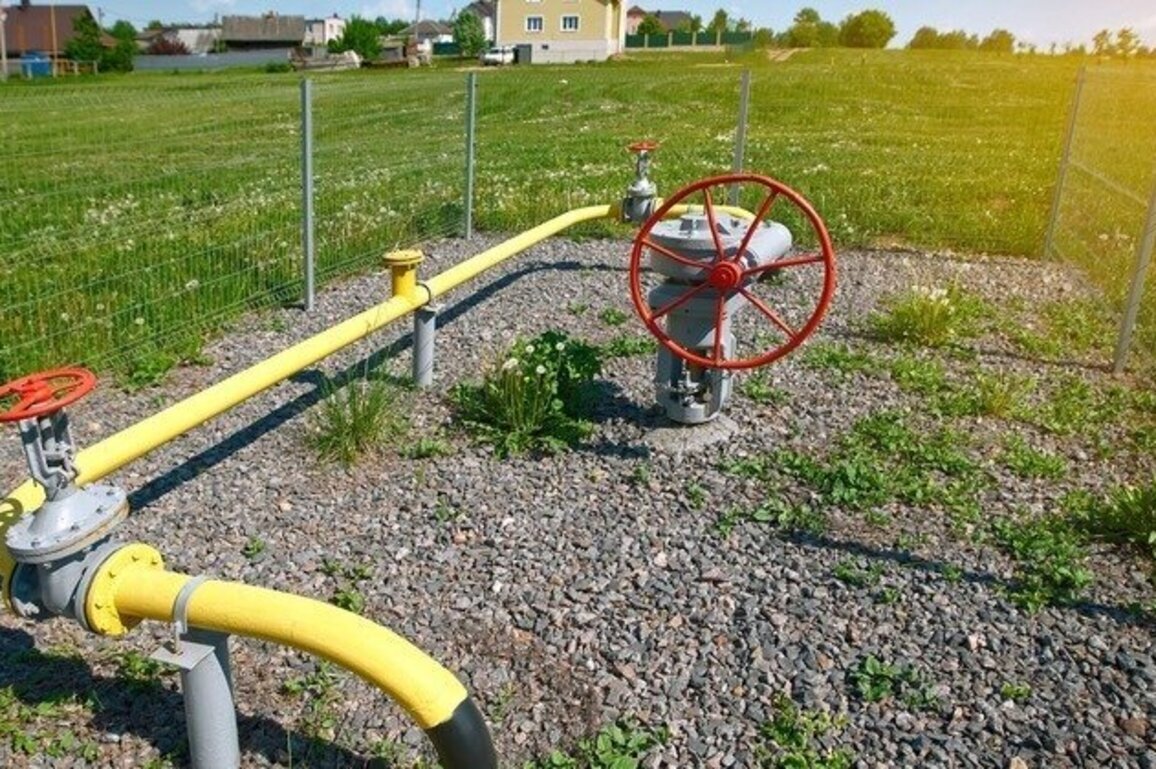
The Public Utilities Commission decided not to eliminate what are known as gas line extension allowances. Under the practice, current ratepayers cover the cost of connecting new developments to natural gas systems.
Caitlin Eichten, building energy transition director for the advocacy group Fresh Energy, one of the groups pushing to end the approach, said advocates had hoped for stronger action.
“We've seen that gas utilities are already experiencing declining gas usage, so it's more important than ever to scrutinize these policies,” Eichten contended.
The commission did make some changes. In cases where new gas customers want to use the allowance and avoid paying a connection fee, the commission established a uniform maximum distance. Utilities that want to keep the incentive will need to provide stronger justification and reporting when they go before regulators in future rate hike cases.
Clean energy leaders and community organizers said challenging the practice on a case-by-case basis is much harder because of the resources required.
Audrey Partridge, a member of the Minnesota Public Utilities Commission, acknowledged the concerns but said the plan moving forward still puts pressure on utilities.
“They must also account for the risks of stranded assets, advances in technology, and alignment with our greenhouse gas emissions reduction goals and other policies,” Partridge asserted.
Groups such as COPAL said the issue is not just about costs for ratepayers already footing the bill. They said ending the allowances would have pushed more people to switch to electric appliances and heating systems, improving indoor air quality.
The Citizens Utility Board said the question was the first major issue discussed by the commission within its Future of Gas docket, a proceeding required by a 2021 state law.
Source: Public News Service